Who We Are
The California Kelp Forest Monitoring Consortium is a collaborative network of four research institutions dedicated to the long-term study of kelp forest ecosystems along the California coast.
Our members — PISCO at UC Santa Barbara, PISCO at UC Santa Cruz, Cal Poly Humboldt, and the Vantuna Research Group at Occidental College — each based in a different region of California and each with deep experience in marine ecological monitoring. Together, we maintain a standardized, long-term dataset now covering more than 180 kelp forest sites statewide.
History of the Consortium
Quantitative monitoring of California's kelp forest ecosystems—surveying the density, biomass, and size structure of macroalgae, invertebrates, and fishes on shallow rocky reefs—has been carried out collaboratively by a consortium of academic institutions for decades. In southern California, the Vantuna Research Group at Occidental College has surveyed the region's rocky reefs since 1966, making it one of the longest-running efforts of its kind. Broader statewide coverage began in 1999 with the Partnership for Interdisciplinary Studies of Coastal Oceans (PISCO), administered out of the University of California campuses at Santa Cruz and Santa Barbara and initially funded primarily by the David and Lucile Packard Foundation and the Gordon and Betty Moore Foundation; today that work is supported primarily by the State of California through the Ocean Protection Council and California Sea Grant. In PISCO's early years, its standardized subtidal protocol was adapted into the Cooperative Research and Assessment of Nearshore Ecosystems (CRANE) program, a 2003–2004 cooperative effort that extended the same sampling methods across a broad stretch of coast from Monterey to San Diego—and it was through CRANE that the Vantuna Research Group aligned its southern California surveys with the PISCO methodology. Because these shared, statistically compatible protocols became the regional standard, the datasets they produced span the baseline monitoring periods for all of California's Marine Protected Area study regions, giving the collaboration a consistent foundation for evaluating MPA performance statewide.
A Statewide Network, Built for the Long Term
Kelp forests are among California's most productive and ecologically significant marine ecosystems — and among the most vulnerable to human impacts and climate variability. Understanding how they change over time, and why, requires sustained, coordinated effort across the full length of the state.
Our work is organized around three interconnected areas:
- MPA Evaluation — We provide rigorous, independent scientific monitoring to assess the performance of California's Marine Protected Area network, helping managers and policymakers understand what's working and why.
- Climate Change — We track how warming seas, shifting currents, and extreme events like marine heatwaves and El Niño are reshaping kelp forest communities over time.
- Fisheries — Our long-term data inform sustainable fisheries management by documenting trends in fish populations, invertebrate communities, and the habitats they depend on.
We collaborate with state and federal agencies, other research groups, and resource managers working on questions related to kelp forest ecology, MPA science, and coastal monitoring in California.
People
PIs
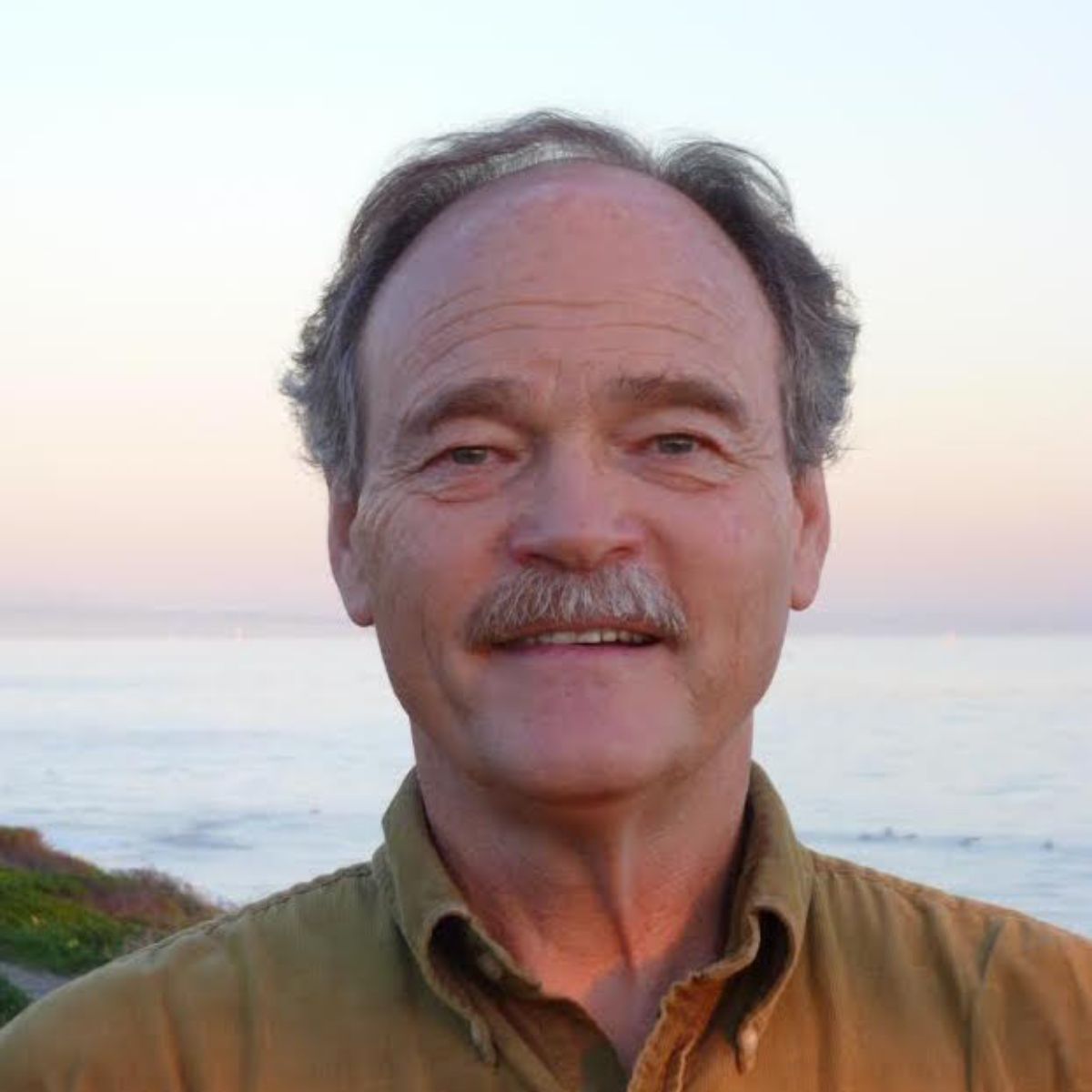
Dr. Mark Carr

Dr. Jennifer Caselle

Dr. Sean Craig
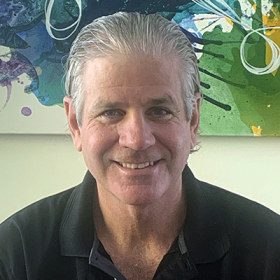
Dr. Dan Pondella
Lead Scientists

Dan Malone

Avrey Parsons-Field

Franklin Moitoza
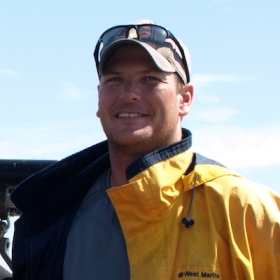
Jonathan Williams
Our Partners & Supporters